A useful request for quotation identifies the exact product, size, quantity and delivery arrangement. Providing these details at the beginning reduces follow-up questions and helps both sides determine whether the order is practical.
1. Product and configuration
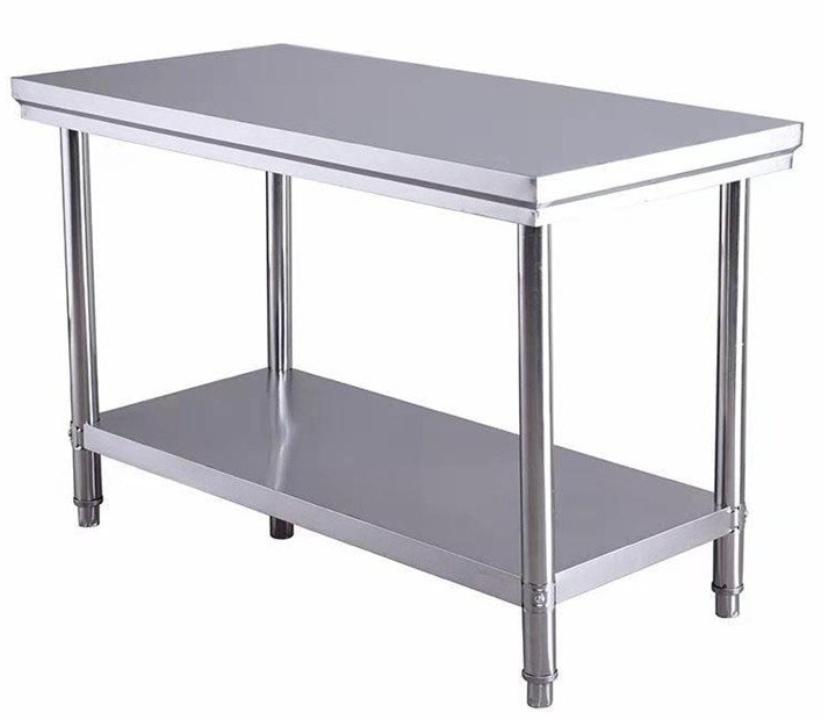
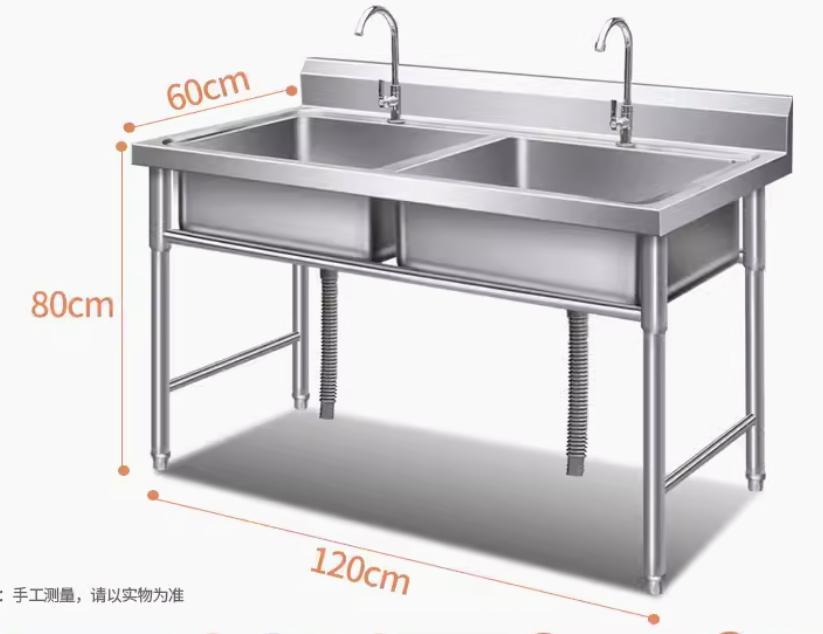
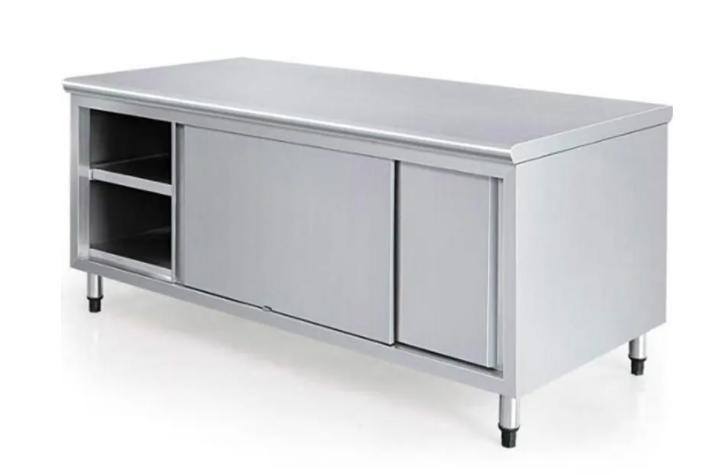
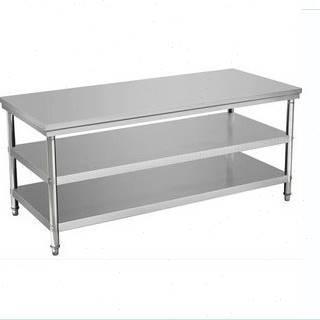
Name each required product and select the relevant standard size. For sinks, include the bowl count. For worktables, specify two-tier, three-tier or sliding-door storage. List any required internal shelf arrangement, backsplash or other accessory separately.
2. Quantity
Provide the quantity for every product and size. If the quantity is still being planned, state the expected range. A request for one or two bulky units needs a shipping-cost check before the total can be assessed.
3. Destination and shipping plan
Choose the situation that applies:
- Delivery to a warehouse or forwarder in China: provide the Chinese city.
- Separate international shipment: provide the destination country, city and postal code where applicable.
- Shipping not yet arranged: state this clearly so the next step can focus on feasibility.
4. Specification requirements
If steel grade, material thickness, drain accessories, packing method or another specification is important to your purchase, include it in the RFQ. Do not rely on a product image to define the final supply scope.
5. Contact and timing
Include your name, company where applicable, email or WhatsApp number, and intended purchasing time. This is not proof of import experience, but it gives enough context to identify the next commercial step.
Product + standard size + quantity + destination + shipping arrangement.
Copyable RFQ outline
Product and size:
Quantity:
Destination country and city:
Chinese warehouse / forwarder city (if any):
Shipping arrangement:
Steel grade, thickness or accessory requirements:
Expected purchase timing:
Contact name and company:
Turn the guide into a product list.
Select standard sizes and quantities, then tell us your destination and shipping arrangement.